
Ever Shifting Sands
The quiet death of the album and the growth of glass boxes

Technology forever changes art. More than politics ever can or will. Once photography appeared on the scene much of visual art re-orientated itself towards a much more abstract style. The masters of realistic landscapes or portraiture suddenly found themselves supplanted by a new technology that rendered what they previously did much quicker and cheaper. Artists of course had to make money and some of the great portrait painters of the 17th and 18th centuries did it largely for the money. Some of my favourite art remains that from the Dutch Golden Age, in particular the everyday scenes that those artists painted. They showed life as it was from a time before photography existed. The winter scenes in particular are always fun to look at and learn from. It is both valuable in terms of artistic beauty but also historical record.
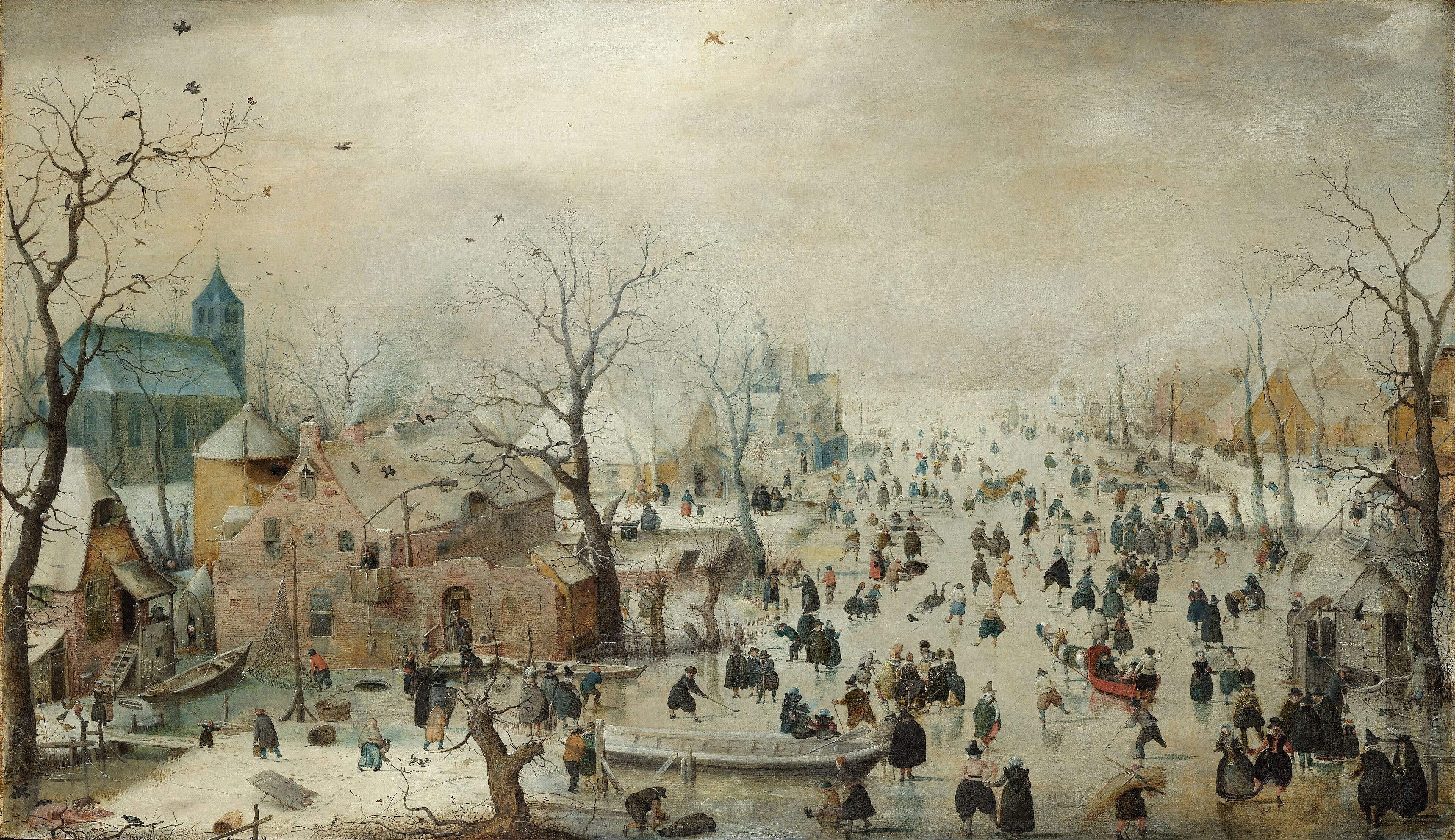
The shift towards the more abstract, modern and then post-modernist art is at least partially a reaction to the power of photography. Creative people tend to push boundaries and seek out a kind of perfection of discovery that many ordinary people don’t. Artists that straddle this divide include the most (in)famous like Picasso who many people deride. A majority of those people of course deride him without knowing or understanding that he was a very skillful ‘realist’ artist before he started what he became known for. Sometimes the divide in what people consider art or not is as simple as their own ability to judge it if portrays reality as they see it or if it is something more.
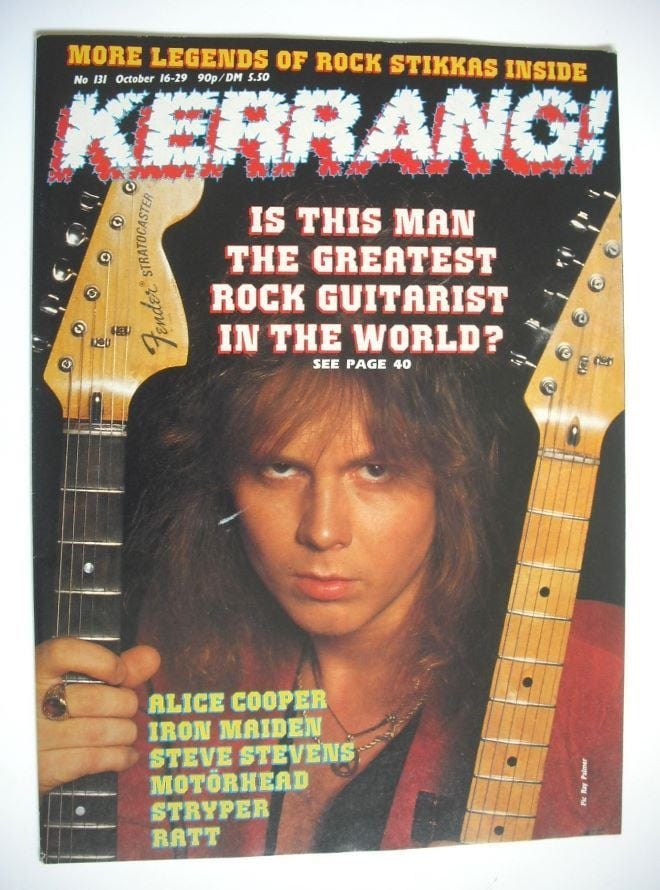
Music is also subject to these same forces of technological innovation and perhaps the most recent and obvious decline is that of the album. In the distant past in might surprise some of you to know that there were entire print magazines dedicated to certain genres of music and reviewing albums was commonplace. Musicians still put out albums of course but the impact of the album has faded away somewhat. Not because people don’t listen to music but because the album is a relic of bygone technology. Digital music makes the mix tape or playlist or algo selected way of enjoying music. People listen to music less deliberately in the past. Few people ever sit down just to listen to an entire album and that forces the art to change. Conceptual albums that tell a story like Bathory’s Blood on Ice don’t work today because so few people would listen to the album in order and in a single sitting.

It really is worth doing though, deliberate engagement with the music is a powerful thing and especially for such an album like this. The reality of the ease of access to music through digital is that it’s just a background soundtrack people pick for their lives. Half paying attention. It becomes another kind of noise. Single tracks have more resonance than anything else and are compiled into playlists, usually by algorithms these days. The painstaking task of making a mixtape or ripping a CD is unknown to younger generations. In part they held value and significance because of the extra effort, the hurdle required to make them. Today playlists are easy to make, songs are ‘liked’ and it is just another commodity. Music and paintings aren’t going away but the artists who produce a lot of art and music have shifted in what they focus on and this is largely driven by technology and its influence.
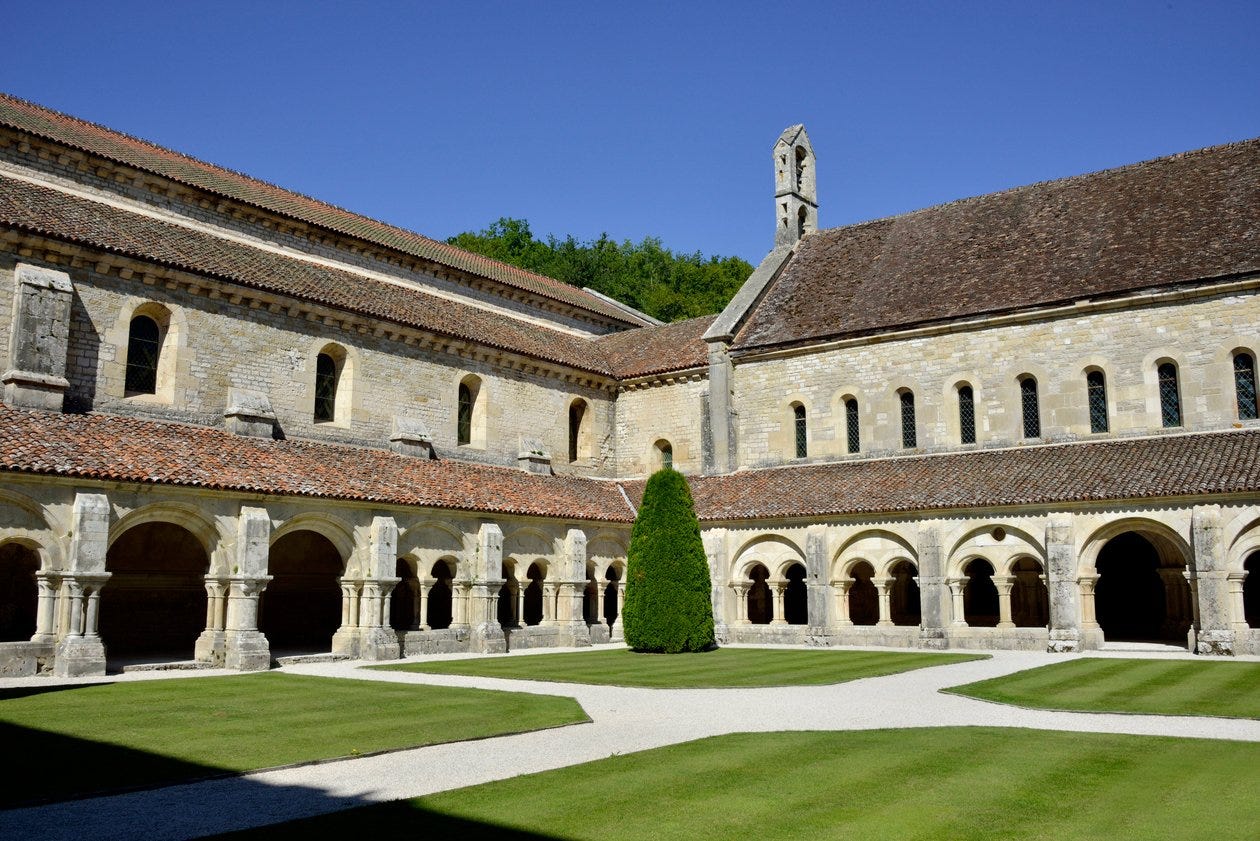
The Romanesque style of the Church is a good example again of how technology drives innovation and desire. The curved ceilings and attempts to create cavernous spaces within what we think of as Romanesque churches necessitated certain trade offs with the building technology of the time. Narrow windows for example often created darker space and they were required for some of the builders attempts at making higher ceilings. This kept being pushed right up until the emerging of a new building technology that enabled the Gothic age of the Church. The vaulted ceiling.
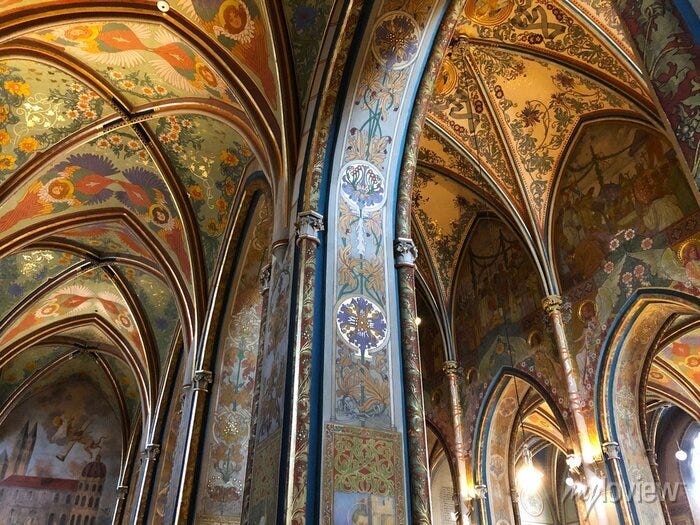
This technology created more strength through buttressing and better design so ceilings could go even higher and become more elaborate. The Gothic Church stands out as a unique architectural style borne of both Christendom, theology, and stone building technology combining together. Stained glass windows could also be bigger in these churches as the windows themselves could be larger due to supporting the domed roof being done by the buttressing of the vaulted ceilings. The desire for well lit and open spaces in some senses has continued unabated. As much as it is tempting to explain the blandness of the modern glass box buildings that dominate our cities or office parks today to some extent they themselves are also just the product of technology. In this case that technology that enables them is not just the production of such tempered glass but also the cheap energy that enables us to heat and cool giant greenhouses at will.
This is why it is so enraging to hear people still argue that technology is a neutral. Changing technologies impact us in ways that we sometimes only barely comprehend. It is easily as powerful as faith or ideology and when combined with either can act as an accelerant. When we pine for the past it’s worth considering if that past state was tied to a certain kind of technology that was dominant at the time. Usually these things don’t completely die out but become absorbed into what we think of as now a dominant style or quirk. Four poster beds are a great example of this, what was once a useful feature for retaining warmth through a microclimate in houses without central heating becomes a signal of wealth or opulence. Other technologies do all but die out, bulletin boards for example seem incredibly rare to see today. A few survive but most as a social technology have gone the way of the dodo. Still others come back.

Sauna’s and cold plunges are part of the current wellness craze that has been made popular by people like Joe Rogan and Andrew Huberman. Ostensibly it’s all about the longevity movement and health and they are exploding in popularity for that but behind it people are also rediscovering an older social technology. Here in America they represent the return of the social space that was the communal bathhouse and the third place it was. Communal bathing was and remains common in parts of the world this slightly odd article looks at it through a ‘sustainability’ lens. Of course in prudish America most of these Sauna/cold plunge places I’ve been to want you to wear plastic swimwear and haven’t quite crossed over (likely never will). They are however islands of community outside of work, church, and school. They represent a turn towards the past to some extent, most of these places also put an emphasis on being disconnected from the smartphone.
Technology shapes us all the time. Just the other day a friend and I were discussing the value of building out an actual DVD library and stepping away from the streaming platforms. The loss of the video rental place is mourned occasionally online by people who reminisce about the experience because it is an example of an intersection where technology and social forces intersected in a more harmonious way. There was value in physically looking at the selection or having a recommendation. The film was picked out in the store and taken home and that was what you watched. That gave a definite time crunch to decide and commit. The video place too was where you might run into neighbors or people from your community, people often knew the owner. It’s hard to see those places coming back but perhaps you can cultivate a sense of it in your own life and regain something through the physical, not to mention you actually own it versus paying for access.
I started this post thinking about the shift away from a certain kind of art and the quiet death of the album, a trip to a Cathedral sparked the rest. We exist on top of all the technologies that came before us and are subject to the change they have wrought upon us. Take any boomer addicted to their smartphone as an example of that, age is no defense of being captured by the device. In part that is why I think it’s hard to retrvn in a conscious way at the societal level, it is organic technologies that survive longest and can come back around, the reality is though that nearly all of us are swept along. As you adopt or reject new technologies we can only partially guess at the deeper impacts they may have.